Peru's Election: Too Close to Call
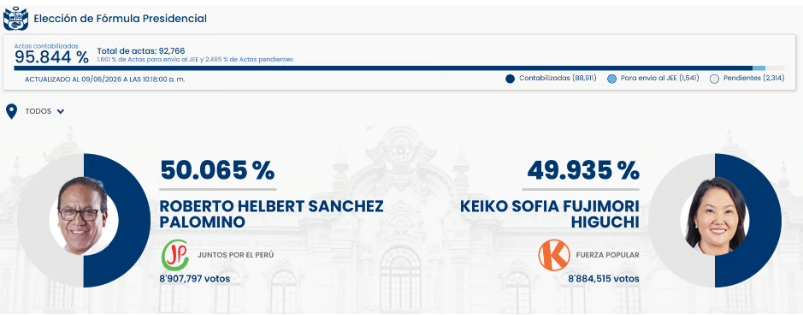
Peru went to the polls on Sunday for its presidential runoff and woke up on Monday without a winner. With 95% of ballots tallied on Tuesday morning, Peru’s electoral body gave leftist Roberto Sánchez 50.065% of the votes against conservative Keiko Fujimori’s 49.935% — a margin of less than 30.000 votes across 17.5 million cast.
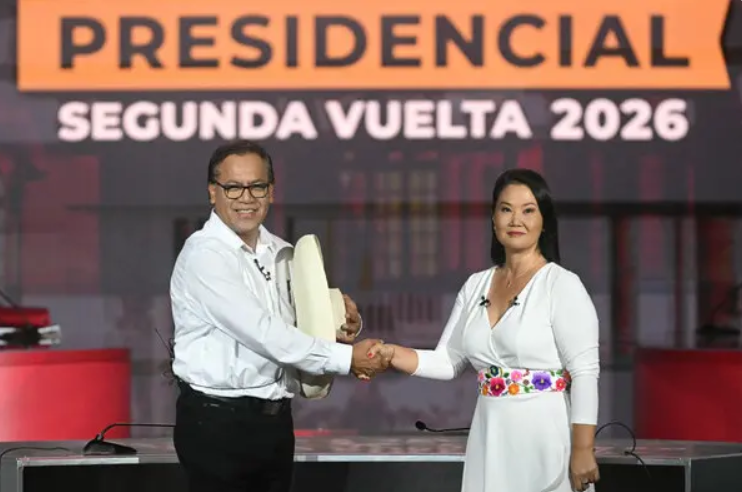
This trend confirms the Ipsos quick count, which has correctly identified the winner of every Peruvian runoff since 2001, and gave Sánchez a narrow lead after the vote. However its director noted that with a margin this tight, a full count was necessary before any conclusion could be drawn. So far, no winner has been declared. The result may take days or weeks to formalise.
A concerning pattern
The 2026 runoff marks Peru's fourth consecutive razor-thin presidential election. The parallels with 2021 are obvious: the same candidate, the same geographic divide — Lima and urban centres for Fujimori, rural regions for the left — the same agonizing overnight count. The winner will become the country's ninth president in ten years. That figure alone describes the depth of Peru's institutional crisis more precisely than any analysis.
What makes this edition of the Peruvian deadlock analytically distinct is the profile of the two candidates. Fujimori, on her fourth consecutive runoff, actively defended her late father Alberto Fujimori's authoritarian government during the campaign and promised to defeat crime as he defeated the Shining Path. Sánchez, meanwhile, is one of the closest political allies of imprisoned former president Pedro Castillo, whose 16-month presidency saw more than 70 cabinet changes before ending in a failed self-coup.
Peruvians are not choosing between two visions of the future. They are navigating between two political legacies that both carry significant liabilities.
Congress: the other constraint
Whoever wins will govern in conditions of extreme legislative fragility. Fujimorismo has delivered its strongest electoral performance since 2016, both in the presidential vote and in congressional representation across both chambers. The coalition backing Sánchez, meanwhile, appears capable of assembling a degree of initial stability in Congress should he win, though no party holds anything close to a majority. Peru's newly restored Senate — reinstated for the first time since 1992 — adds a further layer of institutional complexity to what will already be a minority government from day one.
Investment implications
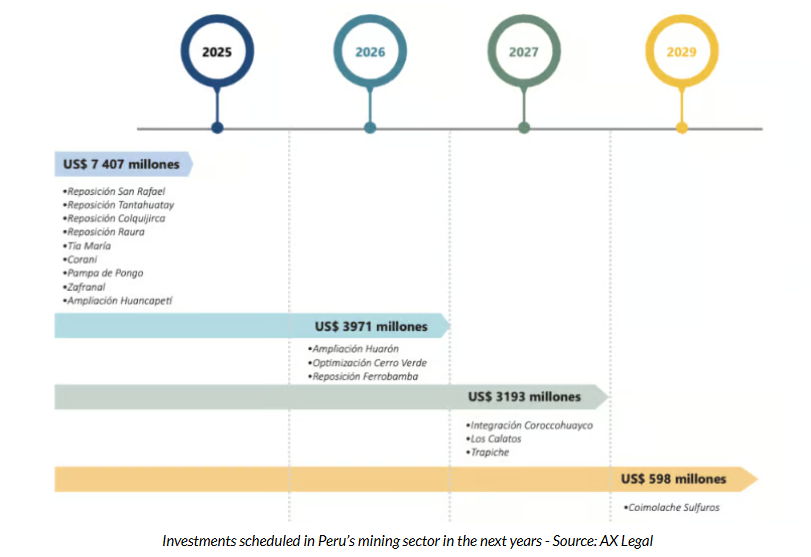
The deadlock has direct implications for the $64 billion mining project pipeline that has been waiting on political certainty for years. Fujimori ran on a platform of economic continuity, private investment, and market-friendly regulation — a presidency under her would likely accelerate permitting processes and signal stability to foreign mining operators.
Sánchez's programme calls for greater state involvement in strategic sectors and changes to the economic model inherited from the 1990s, including a revision of royalty frameworks in extractive industries. The policy contrast is real, but the practical difference may be narrower than the rhetoric suggests: both candidates will face a fragmented Congress and a population whose primary concern is physical security, not economic reform.
Subscribe to Latinsight publications for free and access a EU-Mercosur Business Opportunity Guide
🎯 Strategic perspective
The result, when it comes, will not resolve Peru's structural instability. It will merely determine which version of it takes office. Americas Quarterly's assessment is precise: whichever candidate wins, they will do so with a weak mandate, limited congressional leverage, and a public deeply sceptical of both options. For investors, the signal to watch is mostly the transition period and specifically, whether the losing side accepts the outcome or initiates a Fujimori-style legal challenge as in 2021.
A contested result would extend uncertainty by weeks and weigh on the sol and on mining equities. A clean concession, by contrast, would allow markets to price the new government's policy direction relatively quickly.
Three variables will matter most in the weeks ahead: the pace of the official count, the posture of Fujimori's Fuerza Popular in Congress regardless of the presidential outcome, and the new government's first signals on the Southern Copper and Anglo American permitting backlog.